COP17 advances a long-standing constituency agenda, placing local priorities more firmly in national biodiversity planning and reporting, with formal follow-up on access to finance.
The first global review of the Kunming–Montreal Global Biodiversity Framework at CBD COP17 confirmed that the world is not on track to meet the 2030 targets. With only four years remaining, the question is how to turn commitments into results in the places where biodiversity is protected or lost. Parties adopted around 50 decisions and agreed on the Yerevan Pathway, calling for faster implementation, action on harmful subsidies, greater support for developing countries and better alignment of budgets with the Framework.
A stronger place in the implementation cycle
A major outcome for cities and regions was the decision under agenda item 14(b), on engaging subnational governments, cities and other local authorities in implementing the Framework. Building on more than 20 CBD decisions that already refer to this constituency, it follows the first review of local and subnational contributions to global biodiversity targets and progress under the 2023–2030 Plan of Action adopted in decision 15/12. Prepared by ICLEI with contributions from Regions4, the review documented local action and gaps in national reporting. It exposed a critical disconnect: cities and regions are already delivering biodiversity action, but their contributions are not consistently captured in national reporting.
The decision encourages Parties to include local priorities in National Biodiversity Strategies and Action Plans (NBSAPs) and national reporting, strengthen coordination and capacity across levels of government, and support Local Biodiversity Strategies and Action Plans (LBSAPs). It also requests the CBD Secretariat to develop guidance, compile evidence on whether biodiversity finance reaches subnational governments, identify barriers and opportunities for direct and equitable financing, and report to the Subsidiary Body on Implementation before COP18. This creates formal follow-up on local access to finance, although it does not guarantee funding will reach local governments.
For ICLEI and its members, this provides a concrete basis to press for local priorities to shape national plans, local results to count in national reports and finance to reach the institutions responsible for delivery. This opening reflects sustained advocacy across successive COPs, backed by ICLEI’s Cities Biodiversity Center. Its global network and partners.
A platform for shared commitments
The 9th Summit for Subnational Governments and Cities was the constituency’s focal point at COP17. Convened by ICLEI with the CBD Secretariat, Regions4, the Government of Armenia and the City of Yerevan, it brought together more than 500 delegates from 50 countries. Four dialogues addressed the Rio Conventions, local delivery, finance and implementation. Beyond the Summit, ICLEI coordinated Subnational and Local Authorities Hub hosted around 20 sessions, complemented by more than 30 related events across the wider COP program.
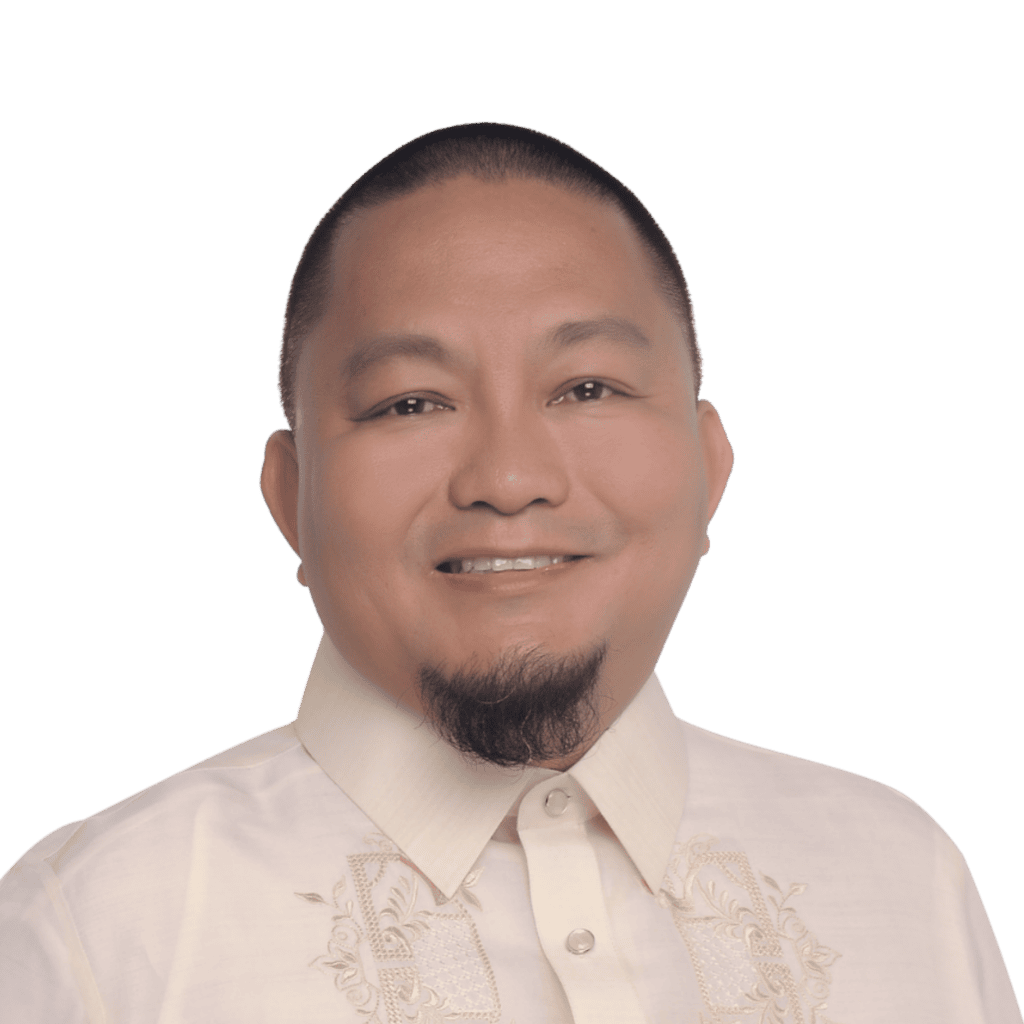
Leaders stressed that global commitments depend on action where people live. California’s Secretary for Natural Resources, Wade Crowfoot, called for cities and regions to be recognised, equipped and funded to deliver. Mayor Alfredo Coro of Del Carmen, Philippines, urged local governments to “commit and report throughCitiesWithNature and RegionsWithNature”, making their contributions visible.
The Summit connected policy with delivery: Regions4 launched Arboris for regional peer learning; ICLEI and the Development Bank of Southern Africa announced the GEF-8 Sustainable Cities Integrated Programme; and New York City and Yerevan advanced urban biodiversity initiatives. These included New York City’s first Urban Forest Master Plan and Yerevan’s plans for community stewardship of Hrazdan Gorge. CitiesWithNature marked its 400th-member milestone, with Yerevan joining as member 401.
The Global Environment Facility reported more than US$500 million in additional pledges to the GEF and the Global Biodiversity Framework Fund. Berlin pledged €50,000, becoming the first city to contribute to the fund, and joined its Advisory Group of Non-Sovereign Participants. These are signals of a growing subnational role in biodiversity finance. The test will be whether finance becomes accessible to the local institutions expected to deliver.
Connecting nature, climate and the places people live
In her Planetary Stewardship keynote during COP17, ICLEI Deputy Secretary General Kobie Brand described nature as “the life-support system of every city”: soils hold water, wetlands absorb floods and trees cool streets. Cities and regions make the land-use, infrastructure and service decisions that shape biodiversity, climate resilience and people’s wellbeing together. Integrated planning can connect these benefits, while identifying trade-offs before investments are made.
This is where the Rio Conventions meet in practice: In the same places institutions and budgets. Ahead of UNFCCC COP31, Yerevan offers a concrete precedent for recognising cities and regions within a Rio Convention’s implementation cycle, with follow-up on planning, reporting and finance. ICLEI can carry that precedent into the climate negotiations, making the case for coordinated action on biodiversity, climate and land. The next test is implementation: local priorities reflected in national plans, local results visible in reporting and resources reaching cities and regions. Yerevan has strengthened the policy basis. Governments and finance institutions must now turn it into support for delivery.
Quotes and highlights from the 9th Summit
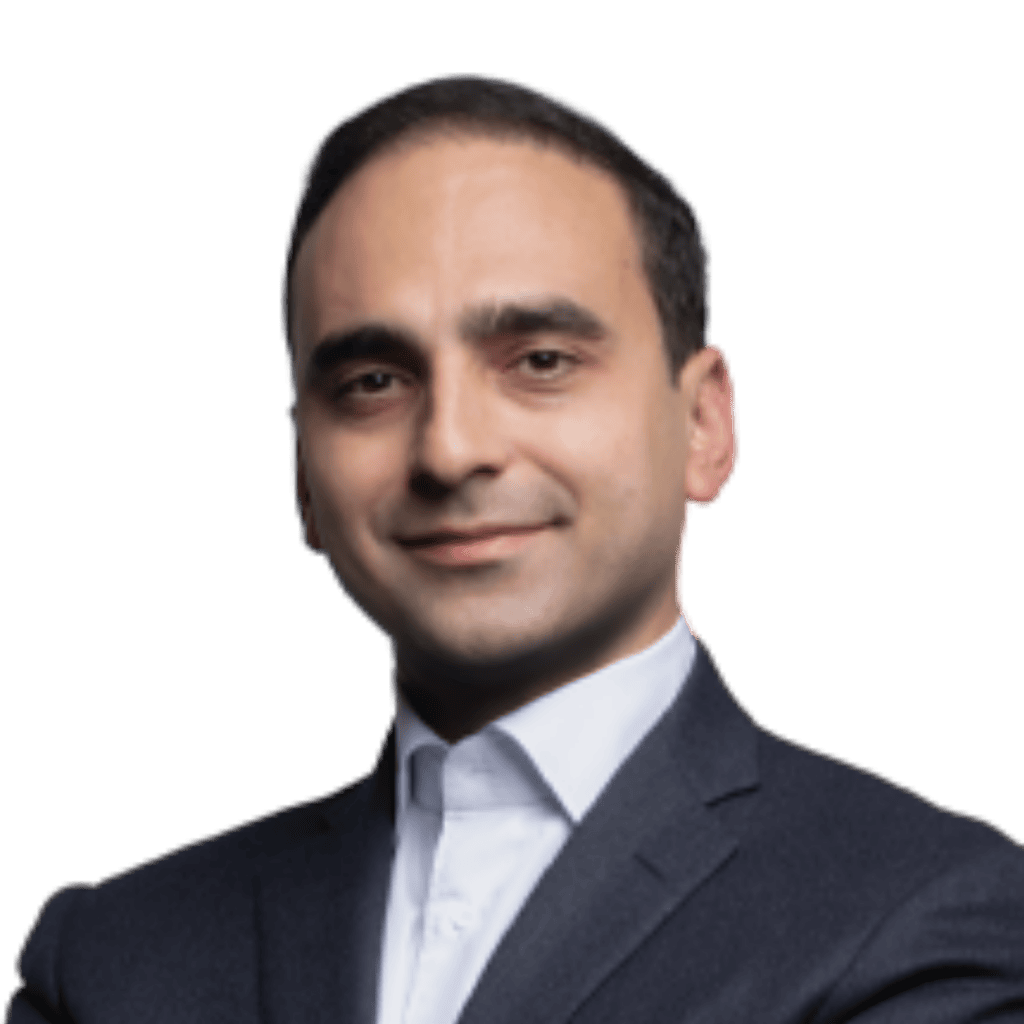
The 9th Summit for Subnational Governments & Cities was opened with a powerful statement by Tigran Avinyan, Mayor of Yerevan, Armenia: “The future of our cities will be shaped by the priorities we set today and the consistency with which we act on them!”
Local and subnational leaders came together with a shared resolve to accelerate action for nature and turn commitments into results. Throughout the Summit, they showcased action already underway in cities and regions, demonstrating the power of local leadership and the urgent need to do more.
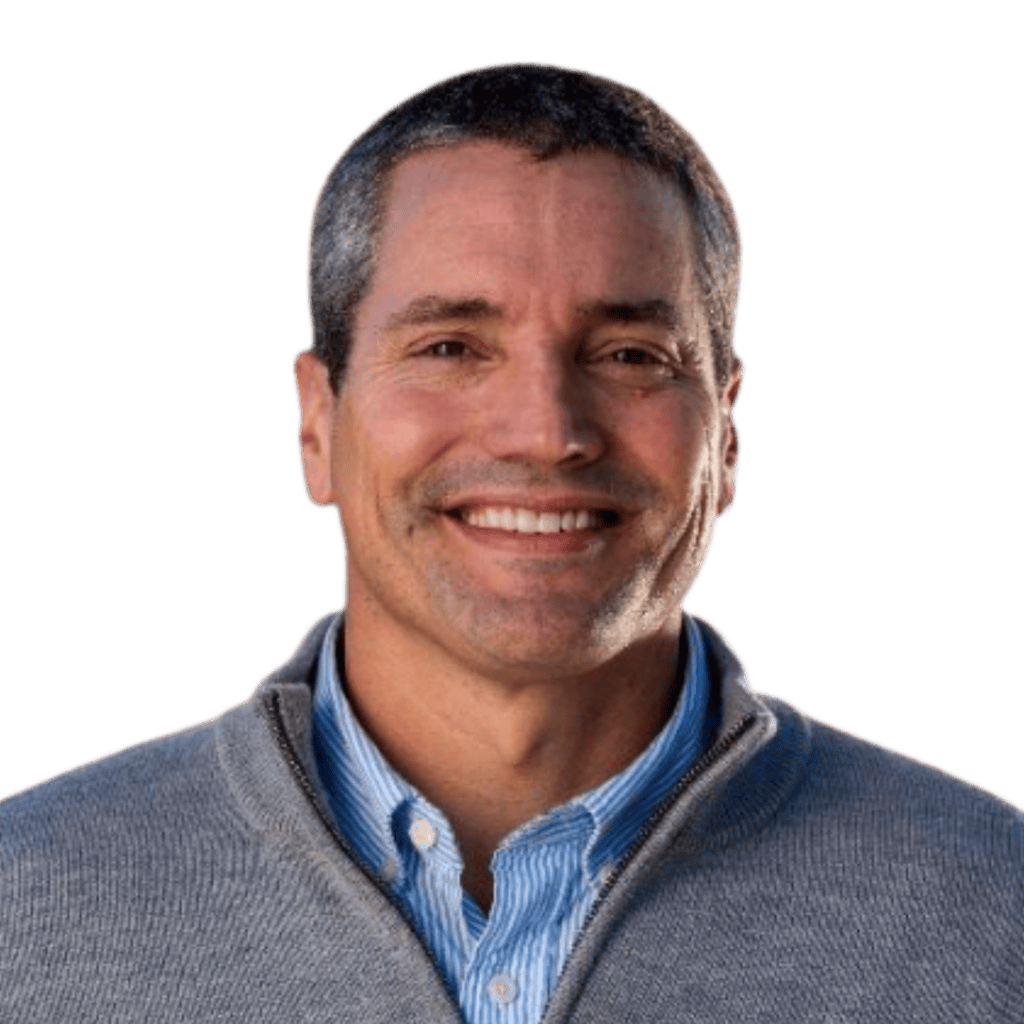
This was reinforced by Wade Crowfoot, California Secretary for Natural Resources, California Natural Resources Agency, United States, stating that “the UN and the nation-states have to recognise the role of cities and regions in delivering commitments, and be able to build capacity and fund us for that.” He continued with a call for faster delivery, “we have to use these convenings, these COPs, as implementation accelerators. Let’s utilise this time here in Yerevan and in subsequent COPs, to move further and faster because the world cannot wait.”
The message remains clear: accelerated urgent action is imperative, Parties cannot do it alone. Local action is essential to global impact. Under the themes of Align, Act, Accelerate, governors, mayors and other subnational government leaders from around the world engaged directly on critical issues related to alignment, implementation, acceleration and financing, with national leaders, their key stakeholders and partners.
COP17 Armenia President and Minister of Environment, Armenia, Minister Hambardzum Matevosyan, reminded delegates that no target is only national, but that every target is local somewhere. He reiterated: “Cities and subnational governments are not simply implementers of global commitments; they are essential partners in developing solutions, mobilising communities and delivering change on the ground.”
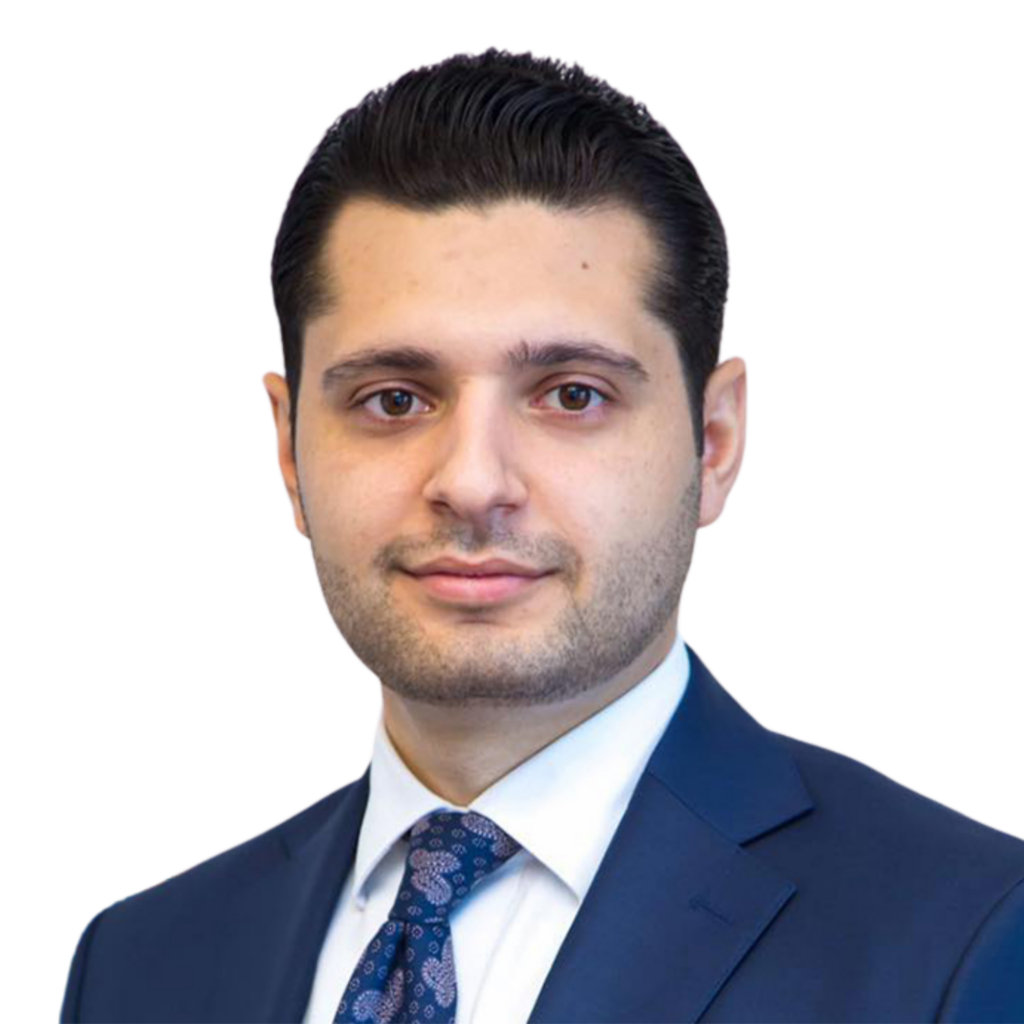
Astrid Schomaker, Executive Secretary of the UN Biodiversity gave an inspiring message to cities and regions; that they are at the heart of a whole-of-government and whole-of-society approach. “The success of the framework hinges on what happens on the ground in the places people live and work,” she said.

The Summit also received powerful endorsement and support from a distinguished line-up of leaders across multilateral institutions, development finance, science-policy bodies and government, who delivered strong messages stressing the urgency to act, the need for collaboration and a whole-of government approach, the critical importance of connecting to other Conventions, as well as the need for more direct access to finance at subnational level.
Alfredo Coro II, Mayor of Del Carmen, Philippines, and Lead of ICLEI’s Biodiversity, Water and One Health Portfolio encouraged cities and regions to make their actions visible. “Commit and report on CitiesWithNature and RegionsWithNature so the world can see that local governments can deliver,” he said. “We have an opportunity to bring our collective political voice to this global agenda, share our experiences, and demonstrate that action for biodiversity is also action for human well-being.”
CitiesWithNature and RegionsWithNature are recognized in CBD Decision 15/12 as the platform for local and subnational governments to report on, and track progress against, their commitments to contributing to the implementation of the KMGBF and National Biodiversity Strategies and Action Plans (NBSAPs). Currently, over 400 cities and regions from 82 countries have joined these initiatives, Shijazhuang and Hong Kong (SAR) were jointly announced as the 400th cities to join CitiesWithNature. The COP host city, Yerevan is also a new member having joined as number 401, paving the way for the next 100 cities.
Seven Chinese cities that have made extraordinary efforts in advancing local biodiversity initiatives were awarded the Biodiversity Charming Cities Award for best practices. They join an initial group of fifteen major Chinese cities awarded this accolade at COP15 and COP16.
Key launches and announcements at the 9th Summit included:
Launch of Arboris: replicable solutions for climate and biodiversity by Regions4
The 9th Summit for Subnational Governments & Cities was co-hosted by ICLEI, the Secretariat of the Convention on Biological Diversity and Regions4, along with the host Government of Armenia and the City of Yerevan. Additional partners include UNEP, UN Habitat, the Global Taskforce of Local and Regional Governments, CitiesWithNature and RegionsWithNature.