
The conservation and sustainable use of biodiversity are critically important at the local and subnational level. Biodiversity and ecosystem services are essential for the well-being of growing urban populations, and the decisions that cities, states and other local and subnational governments take can have major impacts on biodiversity. Thus, local and subnational governments are key actors for the achievement of the objectives of the Convention on Biological Diversity (CBD).
ICLEI, in partnership with the Secretariat of the Convention and the national and subnational hosts of the Conferences of the Parties (COPs) to the Convention on Biological Diversity, have been convening Global Biodiversity Summits as parallel events at CBD COPs since 2008. The Summits provide an important platform for national governments to engage with their local and subnational peers on their pivotal and increasingly recognized contribution in achieving the objectives of the Convention and its 2011-2020 Strategic Plan. Outcomes of past summits have included concrete commitments and declarations, such as the Quintana Roo Communiqué on Mainstreaming Local and Subnational Biodiversity Action, welcomed by Parties at the closing plenary of the CBD COP 13 in Cancun, Mexico, in December 2016.
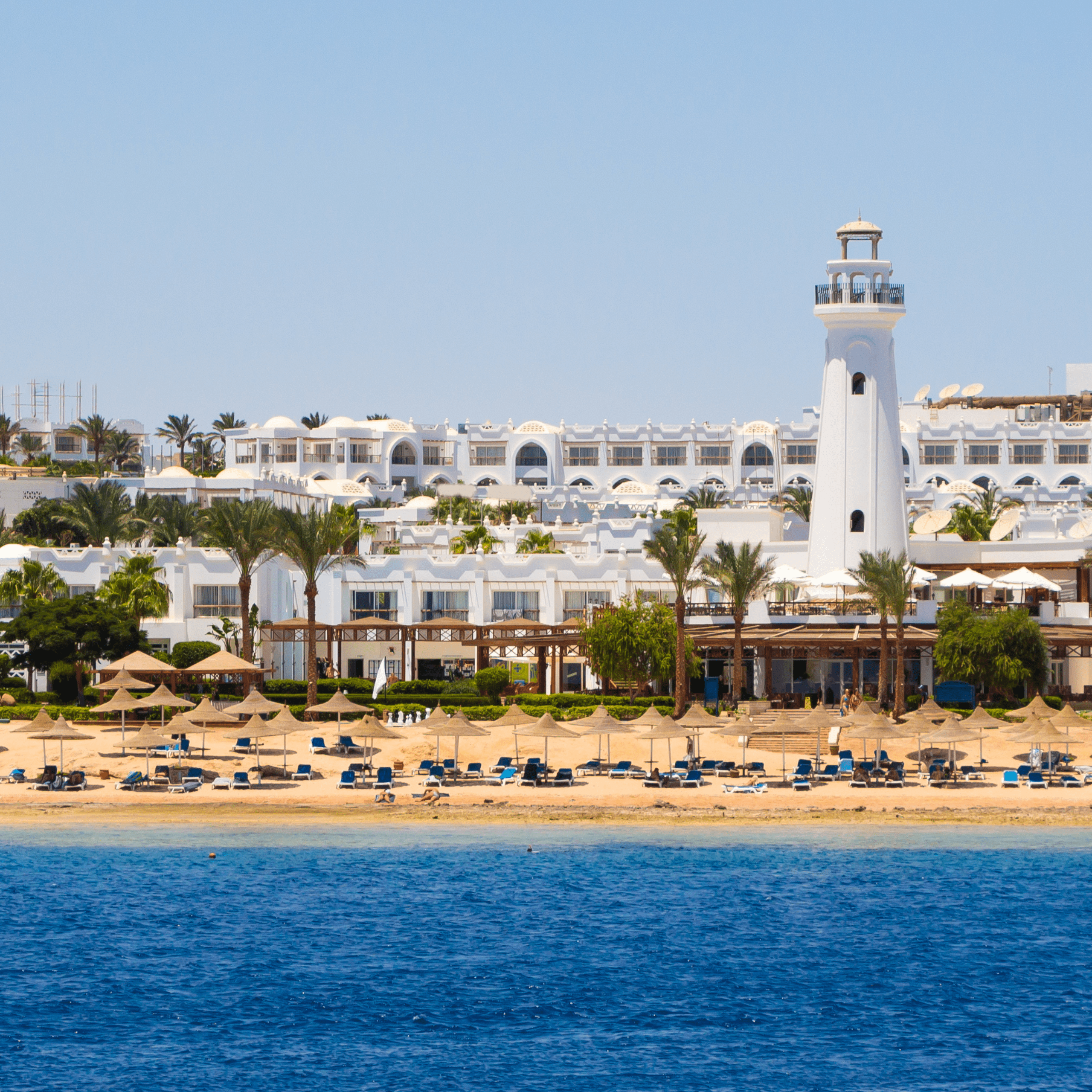
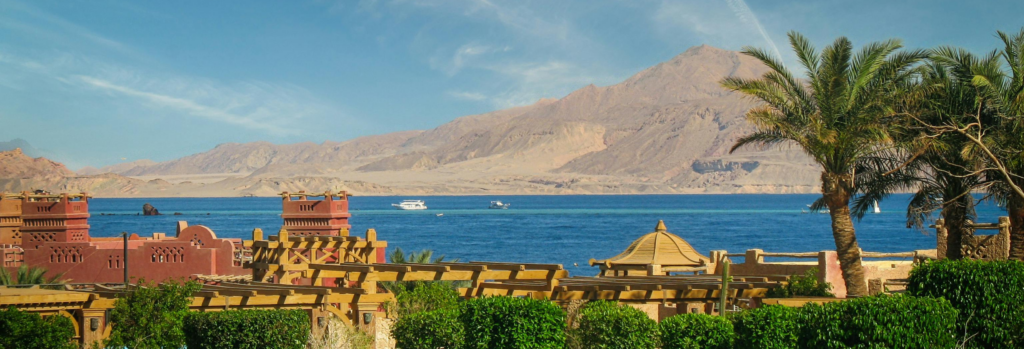
The 6th Global Biodiversity Summit of Local and Subnational Governments will be held in Sharm el-Sheikh, Egypt, in parallel to COP 14, on 23 and 24 November 2018. The Summit will accelerate and further enable the mobilization of local and subnational governments to contribute to the achievement of the global Aichi Biodiversity Targets. It will also provide a platform for discussing the role of local and subnational governments in the post-2020 global biodiversity framework. Taking place in Africa, the Summit will give special attention to the challenges of urbanization in the region.
Summit theme and objectives
Mainstreaming biodiversity into planning processes and economic sectors will be a significant agenda item of the Summit, as well as COP 14, its High-Level Segment and the parallel Business and Biodiversity Forum.
The 6th Global Biodiversity Summit will link closely with, and promote the mainstreaming themes of COP 14 in cities and regions, with a specific focus on sustainable infrastructure, low carbon development & energy solutions, and healthy cities, healthy people. Other cross-cutting issues covered will be the coordination and vertical alignment of biodiversity strategies and action plans across levels of government, as well as the mitigation of the foreseen impacts of urban expansion on biodiversity, through incorporating ecosystems and their services into urban planning and design.
The Summit will further:
- Update and expand on the projects and high-level initiatives announced at the 5th Summit.
- Strengthen coordination and collaboration between horizontal and vertical levels of government on implementing the Aichi biodiversity Targets and the Strategic Plan; also building on the newly released ICLEI/SCBD Guidelines for an Integrated Approach in the Development and Implementation of National, Subnational and Local Biodiversity Strategies and Action Plans; as well as the results of the nrg4SD Regions4Biodiversity Learning Platform and the Group of Leading Subnational Governments toward Aichi Biodiversity Targets led by Aichi Prefecture.
- Showcase how subnational and local governments mainstream biodiversity across economic sectors selected by CBD Parties, such as tourism, agriculture, fisheries, aquaculture, energy, mining, infrastructure, manufacturing and distribution, and health.
- Call for new projects and multilateral announcements, including the Natural Systems and Sustainable Cities initiative and associated assessments, and the new global CitiesWithNature initiative, as well as the contributions and announcements of the Advisory Committee of Subnational Governments coordinated by nrg4SD.
- Announce a ‘roadmap’ of activities towards CBD COP 15 and beyond, particularly on urban and subnational contributions to the post-2020 global biodiversity framework.