
Partners
The 6th Global Summit will be organized by ICLEI’s Cities Biodiversity Center, with the cooperation of the Secretariat of the Convention on Biological Diversity (SCBD) and the Network of Regional Governments for Sustainable Development (nrg4SD). It will be convened by the South Sinai Governorate, Egypt, as an official parallel event to the UN Biodiversity Conference, and H.E. the Governor of South Sinai will serve as its official chair.
Governorate of South Sinai
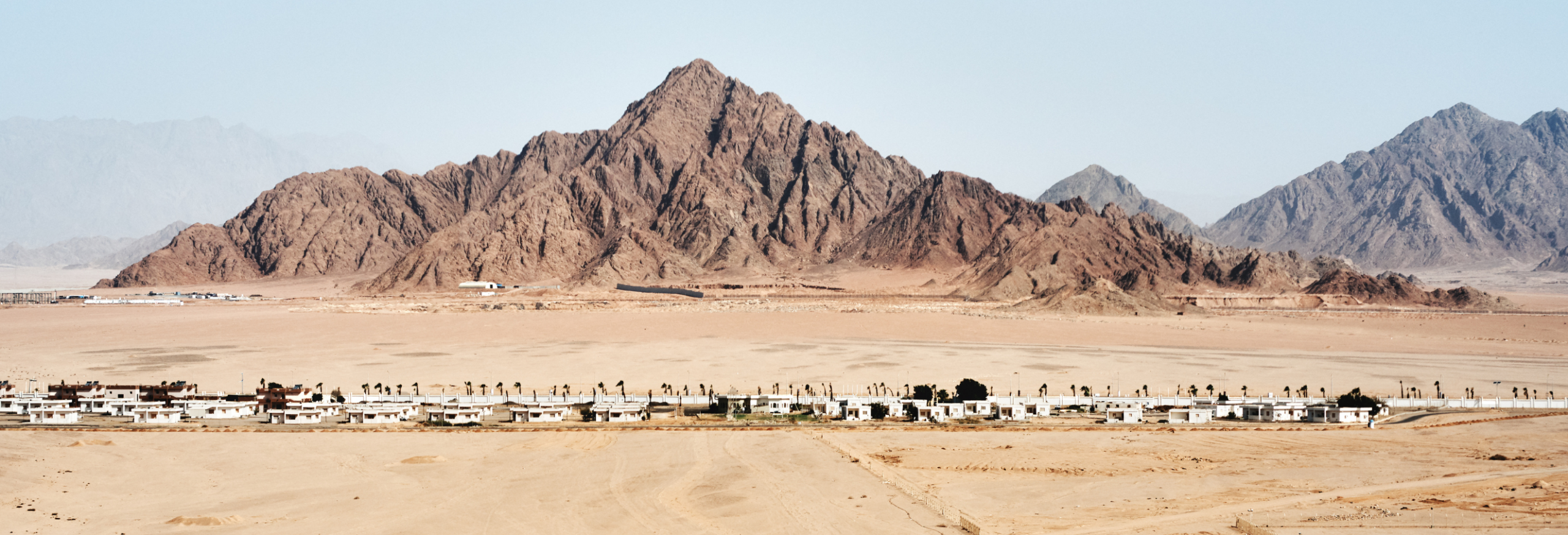
The Governorate of South Sinai encompasses the southern part of the Sinai Peninsula in the east of the Arab Republic of Egypt. The Red Sea surrounds the Governorate to the south, while the interior of South Sinai has an arid climate and majestic, mountainous terrain. It has a relatively low population, of which more than half reside in urban areas. South Sinai is also renowned for its geographic and historical sites, and it is an important tourism destination. Internationally, it is often known for landmarks such as Mount Sinai, the UNESCO World Heritage site of Saint Catherine’s Monastery, as well as for the beauty and biodiversity of the Red Sea.
The Governorate’s capital is El-Tur (Tour Sinaa City). However, the largest city is Sharm el-Sheikh, which is also an economic and tourism hub, as well as a host city of choice for national and international events.
The current Governor is Staff Major General Khaled Fouda.
Ministry of State for Environmental Affairs of Egypt
The Ministry of State for Environmental Affairs is the government body in the Arab Republic of Egypt that is responsible for formulating and defining environmental priorities, policies and initiatives, all on the basis of sustainable development. It formulates the plans for environmental projects and tracks their implementation, among other roles. Importantly, it is also the Government Authority charged with building and promoting environmental relations with national and international organisations and development partners.
It was first established in 1997, by Presidential Decree no.275/1997. The preexisting Egyptian Environmental Affairs Agency (EEAA) was restructured as the Ministry’s executive arm, with the core role of implementing the Ministry’s policies. The current Minister of Environment, Dr Yasmine Fouad, took office on 14 June 2018.
ICLEI & ICLEI's Cities Biodiversity Center
ICLEI – Local Governments for Sustainability was founded in 1990 and is the leading global network of 1,500+ cities, towns and regions committed to building a sustainable future. Through our collective efforts, we impact more than 25 percent of the global urban population.
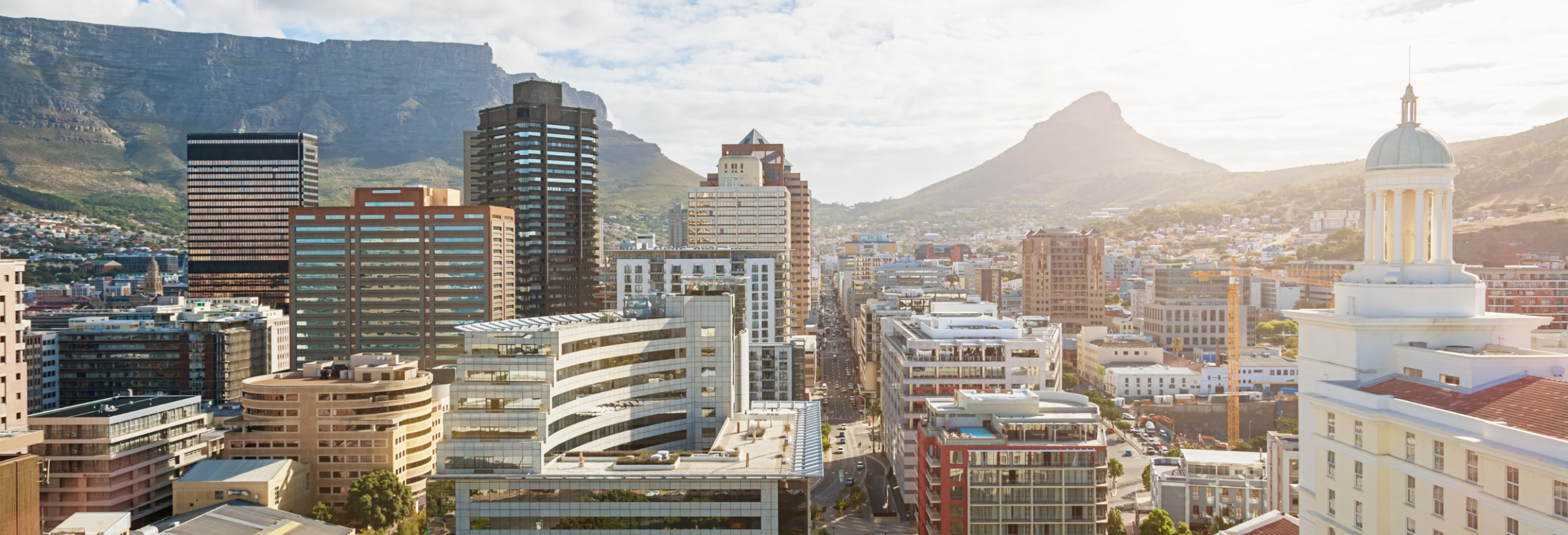
ICLEI’s Cities Biodiversity Center (CBC) is located in Cape Town, South Africa, embedded in the Africa Regional Office of ICLEI. ICLEI CBC seeks local solutions to the complex issues surrounding natural capital and the degradation of ecosystem services in a rapidly urbanizing world. It recognizes the crucial role that cities and local governments play in the pursuit of a sustainable future through efficiently mainstreaming biodiversity and nature-based solutions into urban development and planning at the local level. ICLEI CBC offers cities a broad portfolio of supportive services through our dedicated team of passionate, skilled and dynamic biodiversity and urban development experts.
Convention on Biological Diversity
The Secretariat of the Convention on Biological Diversity was established to support the goals of the Convention. Its principal functions are to prepare for, and service, meetings of the Conferences of the Parties (COP) and other subsidiary bodies of the Convention, and to coordinate with relevant international bodies.
As a neutral organization staffed by international civil servants, the Secretariat is accountable to the COP and its subsidiary bodies and carries out those tasks that fall under its associated mandate. The Secretariat is institutionally linked to UN Environment, its host institution. Its head, the Executive Secretary, is appointed by the Secretary-General of the United Nations in consultation with the COP through its Bureau.
The Secretariat assists and provides administrative support to the COP, the Subsidiary Body on Scientific, Technical and Technological Advice and other Convention bodies. It represents the day-to-day focal point for the Convention, organizes all meetings under the Convention, prepares background documentation for those meeting and facilitates the flow of authoritative information on the implementation of the Convention. Compiling national reports on compliance by domestic authorities, elaborating technical reports and synthesis of the national reports and information on implementation, or assisting Parties in their activities, the Secretariat also acts as information clearing house.

nrg4SD
The Network of Regional Governments for Sustainable Development – nrg4SD – is a global association that solely represents regional governments in the international agendas on climate change, biodiversity and sustainable development. It was established in 2002, at the World Summit in Johannesburg, and today has over 50 members from 26 countries in 4 continents. The nrg4SD serves as the voice of regional governments at UN negotiations, European Union initiatives and global discussions, advocating for recognition and engagement of regional governments. It facilitates cooperation projects and promotes expertise exchange, capacity building and knowledge transfer.
In the field of biodiversity, the nrg4SD coordinates the Advisory Committee of Subnational Governments within the Global Partnership on Local and Subnational Action for Biodiversity, created by decision X/22 of the Nagoya Protocol. The Advisory Committee gathers worldwide regional governments with biodiversity leadership, and operates as official communication platform to convey contributions from regional governments to the CBD and its Parties. In addition, the nrg4SD leads the Regions for Biodiversity Learning Platform, a biodiversity flagship initiative launched at the fringe of CBD COP 13 and officially recognised and supported by the CBD. The Regions for Biodiversity Learning Platform aims at supporting subnational efforts in the conservation and protection of biodiversity by fostering learning, exchanges and peer reviews towards the implementation at subnational level of the CBD and the Aichi Biodiversity Targets.