

Partners

Summit co-hosts
The 7th Global Summit is convened by ICLEI – Local Governments for Sustainability, and co-hosted with the Secretariat of the Convention on Biological Diversity (SCBD) and Regions4, along with the host Government of Canada, Quebec and the City of Montreal as Summit hosts.
This milestone Summit and Pavilion are supported by the Government of Quebec, as main sponsors, and will welcome Parties, subnational governments, cities, their leaders, networks and partners from across the world to contribute and actively participate – in person or virtually.
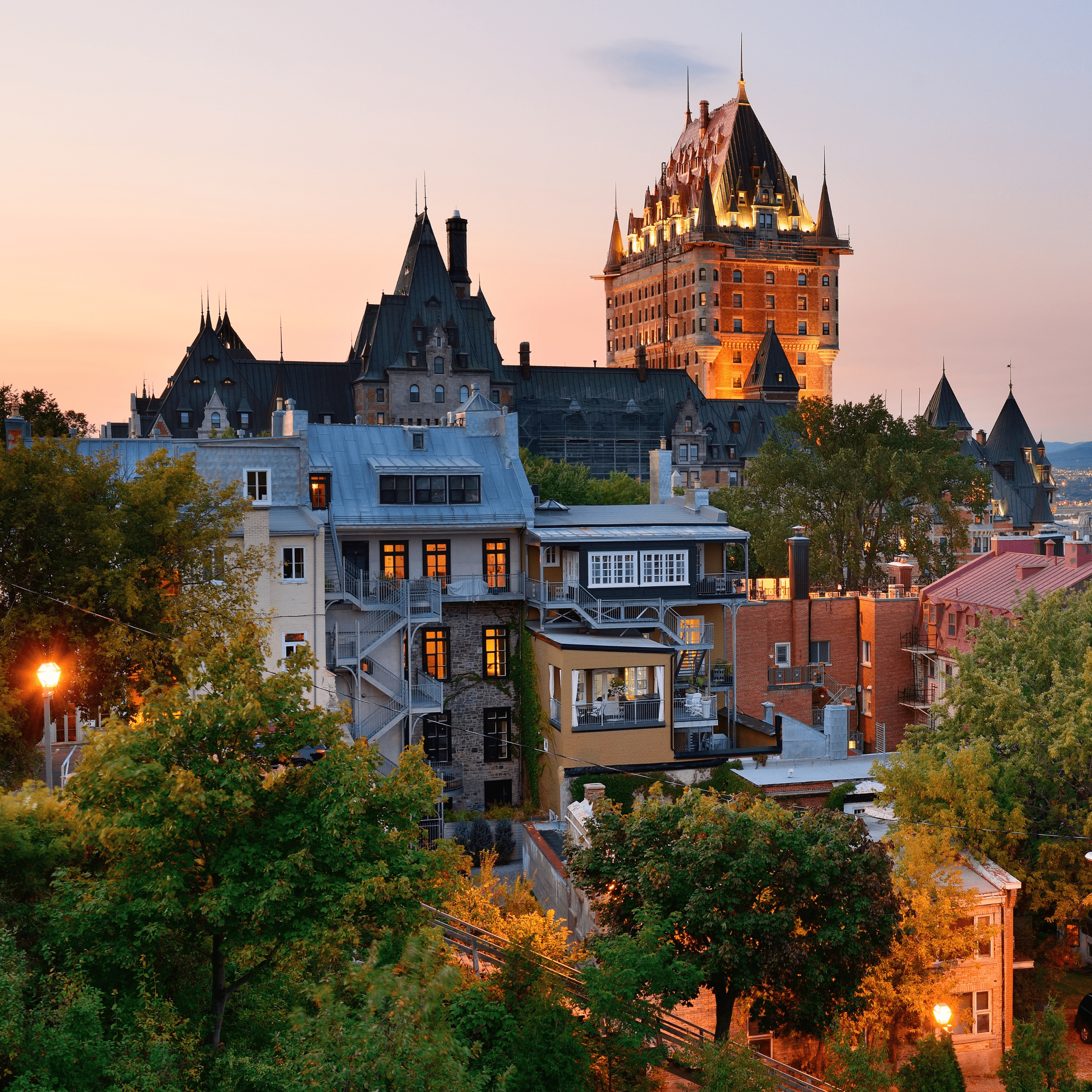
Québec
Québec is recognized as a player committed to the conservation of the rich biological diversity of its territory and to the recognition of the role of the federated states within United Nations Convention on Biological Diversity. It declared itself bound to this Convention in 1992 and has proudly hosted its Secretariat in Montréal since 1996. Quebec officially represents the federated states within the United Nations Convention on Biological Diversity by coordinating with Regions4 the Sub-national Governments Biodiversity Advisory Committee.
Montréal
The Francophone metropolis of North America, Montréal is taking unprecedented action for the protection of urban biodiversity, namely by preserving green areas and pollinators, prohibiting the use of pesticides and plastic bags, and by protecting shores and wetlands. The fight against climate change is also a top priority for Montréal. Our metropolis aims to mobilize actors on the global front to generate a collaboration among cities, various levels of government, partners and local populations in order to accelerate the ecological transition. As the ICLEI Global Ambassador for Local Biodiversity, the mayor of Montréal is proud to be hosting the COP15 in Montréal. This event is the greatest gathering of the next ten years for the protection of biodiversity. What’s more, since 1996, Montréal has also been home to the UN Secretariat of the Convention on Biological Diversity (SCBD) and has been an active participant in both local and international initiatives.
ICLEI & ICLEI Cities Biodiversity Center
ICLEI – Local Governments for Sustainability is a global network of more than 2500 local and regional governments committed to sustainable urban development. Active in 125+ countries, ICLEI influences sustainability policy and drives local action for low emission, nature-based, equitable, resilient and circular development. ICLEI brings sustainability to a rapidly developing urban world.
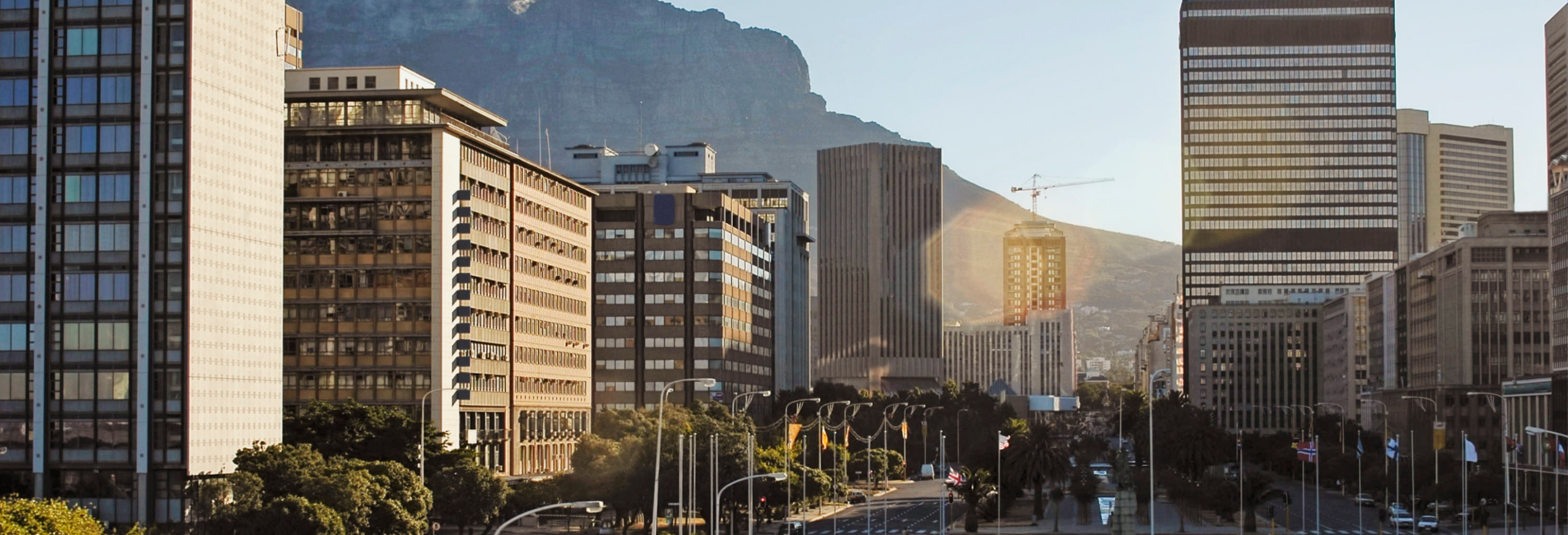
ICLEI’s Cities Biodiversity Center (CBC) is located in Cape Town, South Africa, embedded in the Africa Regional Office of ICLEI.
ICLEI CBC seeks local solutions to the complex issues surrounding natural capital and the degradation of ecosystem services in a rapidly urbanizing world. It recognizes the crucial role that cities and local governments play in the pursuit of a sustainable future through efficiently mainstreaming biodiversity and nature-based solutions into urban development and planning at the local level. ICLEI CBC offers cities a broad portfolio of supportive services through our dedicated team of passionate, skilled and dynamic biodiversity and urban development experts.
Secretariat of the UN Convention on Biological Diversity
The Secretariat of the Convention on Biological Diversity was established to support the goals of the Convention. Its principal functions are to prepare for, and service, meetings of the Conferences of the Parties (COP) and other subsidiary bodies of the Convention, and to coordinate with relevant international bodies.
As a neutral organization staffed by international civil servants, the Secretariat is accountable to the COP and its subsidiary bodies and carries out those tasks that fall under its associated mandate. The Secretariat is institutionally linked to UN Environment, its host institution. Its head, the Executive Secretary, is appointed by the Secretary-General of the United Nations in consultation with the COP through its Bureau.
The Secretariat assists and provides administrative support to the COP, the Subsidiary Body on Scientific, Technical and Technological Advice and other Convention bodies. It represents the day-to-day focal point for the Convention, organizes all meetings under the Convention, prepares background documentation for those meetings and facilitates the flow of authoritative information on the implementation of the Convention. Compiling national reports on compliance by domestic authorities, elaborating technical reports and synthesis of the national reports and information on implementation, or assisting Parties in their activities, the Secretariat also acts as information clearing house.

Regions4
Regions4 catalyzes regional governments’ leadership, mobilizes resources, advocates for increased recognition, and channels regions’ voices in the main United Nations fora on Biodiversity, Climate Change, and Sustainable Development.
Established during the UN World Summit on Sustainable Development in Johannesburg in 2002, today, Regions4 has 42 members plus a Global Community of over 200 regional governments from Africa, America, Asia, and Europe.

Subnational governments and Cities Pavilion
For the first time at a CBD COP, there will be a dedicated Pavilion, focusing on subnational government and city actions and opportunities. This clearly demonstrates an elevated recognition and the biodiversity community of the significant contributions of local and subnational governments towards the implementation of the GBF.
The Pavilion will showcase an exciting, packed daily program and will offer subnational governments and cities, their partners and CBD Parties more opportunities than ever before to showcase their work, learn from others, and make the links between biodiversity, climate, water security, food security, pollution and waste, the circular economy and job creation, focusing on systems-based approaches.
The Pavilion will provide a wide variety of engagement opportunities, announcements, celebrations, bilateral meetings and in-depth deliberations between CBD Parties, subnational governments and cities, their stakeholders, international organizations, UN bodies, finance and investment institutions, the business sector, and science and research sector about actions and solutions, financing opportunities, partnerships, and investments in biodiversity and nature-based solutions to bring about the transformative change that is urgently needed.